
The Complete Guide to Filming Inside Warehouses Safely and Efficiently
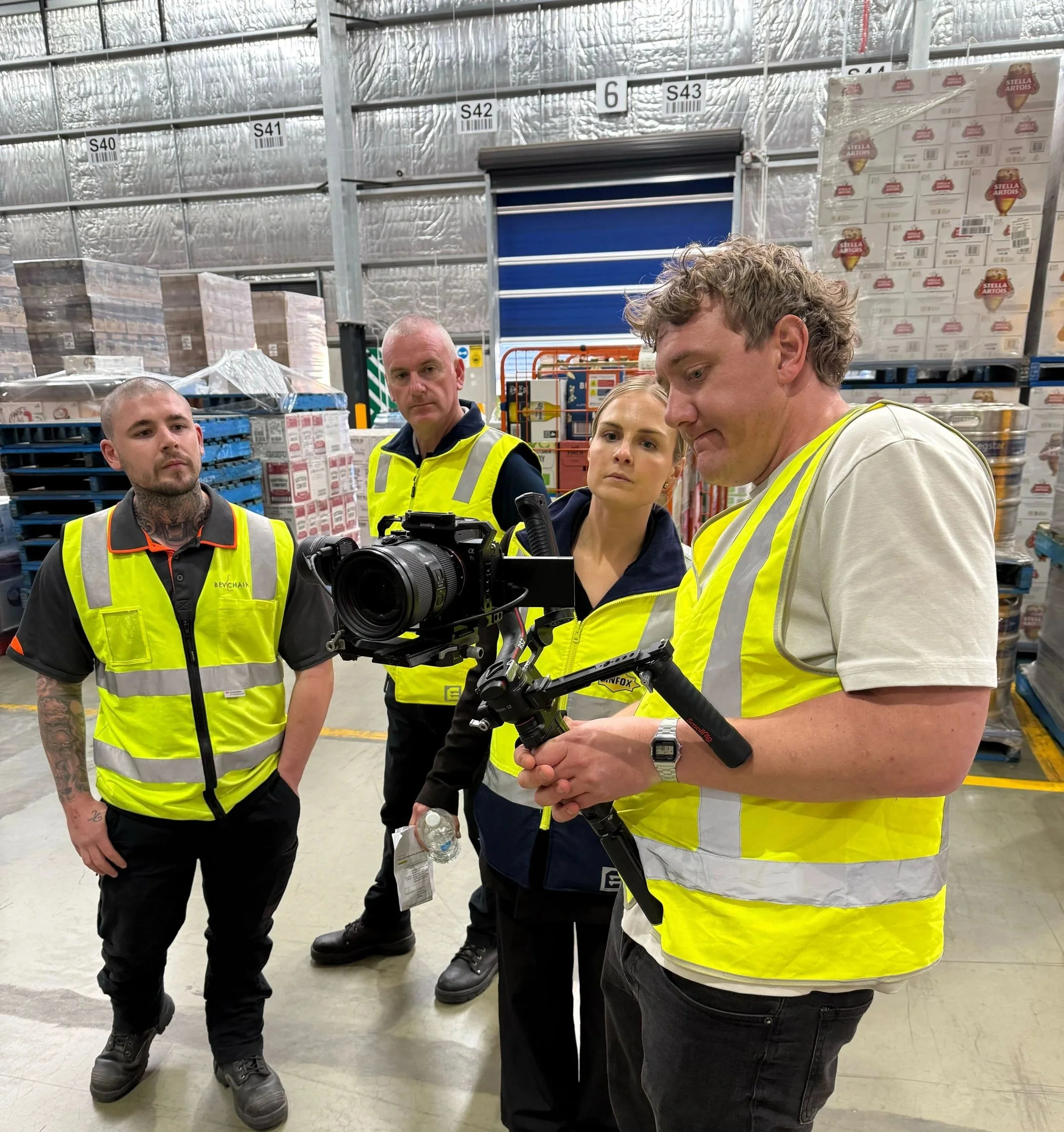
Filming inside a warehouse is very different from filming in a controlled studio environment. Warehouses are active workplaces with moving equipment, strict WHS requirements, scheduled workflows and limited flexibility for interruptions. This means any production must be planned carefully so that filming is safe and operations continue without disruption.
This guide explains how logistics video production can be carried out safely and efficiently inside live warehouse environments and how professional teams manage the process to protect staff, equipment and productivity.
Understanding the warehouse environment
Warehouses contain forklifts, pallet jacks, conveyors, racking systems and high foot traffic areas. These elements all present potential risks if filming is not managed carefully. Lighting conditions may vary across different sections of the warehouse. Noise from machinery can affect audio quality. Access to certain aisles may require permission from supervisors or safety officers.
A successful filming day requires a complete understanding of these factors and a detailed plan that aligns with operational schedules.
Working with WHS guidelines
WHS requirements must always be followed during production. This includes correct PPE, restricted access areas, exclusion zones and approved filming locations. A professional logistics video production team will work closely with the warehouse manager or WHS representative to ensure all procedures are respected.
This collaboration ensures that staff remain safe, equipment is protected and the production does not interfere with critical workflows.
Minimising disruption during filming
The goal of any operational video is to capture real processes without slowing down the team. This requires careful scheduling and a clear filming plan. Crews often film during quieter periods such as early mornings or between shift changes to avoid peak traffic. They may also use compact equipment that is easier to move through tight aisles.
By planning the sequence in advance, the crew can move efficiently and capture all necessary shots without affecting productivity.
Capturing accurate procedures
Accuracy is essential in logistics training content. Filming must show the correct procedures exactly as they are performed in real life. This requires coordination with supervisors or team leaders who can demonstrate the correct process or assign the right staff members for each task.
A professional crew ensures that every shot matches the operational standard so the final video is an accurate representation of the procedure.
Managing lighting and audio challenges
Warehouses often have uneven lighting that can affect the clarity of the footage. Professional crews bring additional lighting that can be set up safely without obstructing walkways. Audio can be affected by machinery, reversing beepers or ambient noise. Crews use directional microphones and external audio equipment to ensure the narration is clear.
Strong visual and audio quality improves training outcomes because viewers can see and hear instructions without confusion.
Why professional teams are essential
Producing video inside a warehouse without professional planning can lead to safety risks or footage that does not meet training requirements. Professional logistics video specialists understand how to operate within dynamic environments and how to create content that reflects the true nature of warehouse operations.
Their experience results in a smoother process, safer filming and a final product that delivers clear communication.
Conclusion
Filming inside a warehouse requires a detailed understanding of WHS requirements, operational schedules and on site challenges. When managed by professionals, the process can be completed safely and efficiently without interrupting daily operations. The result is high quality video content that supports training, safety communication and organisational clarity.
