
How Aerial Videography Transforms Construction and Infrastructure Projects
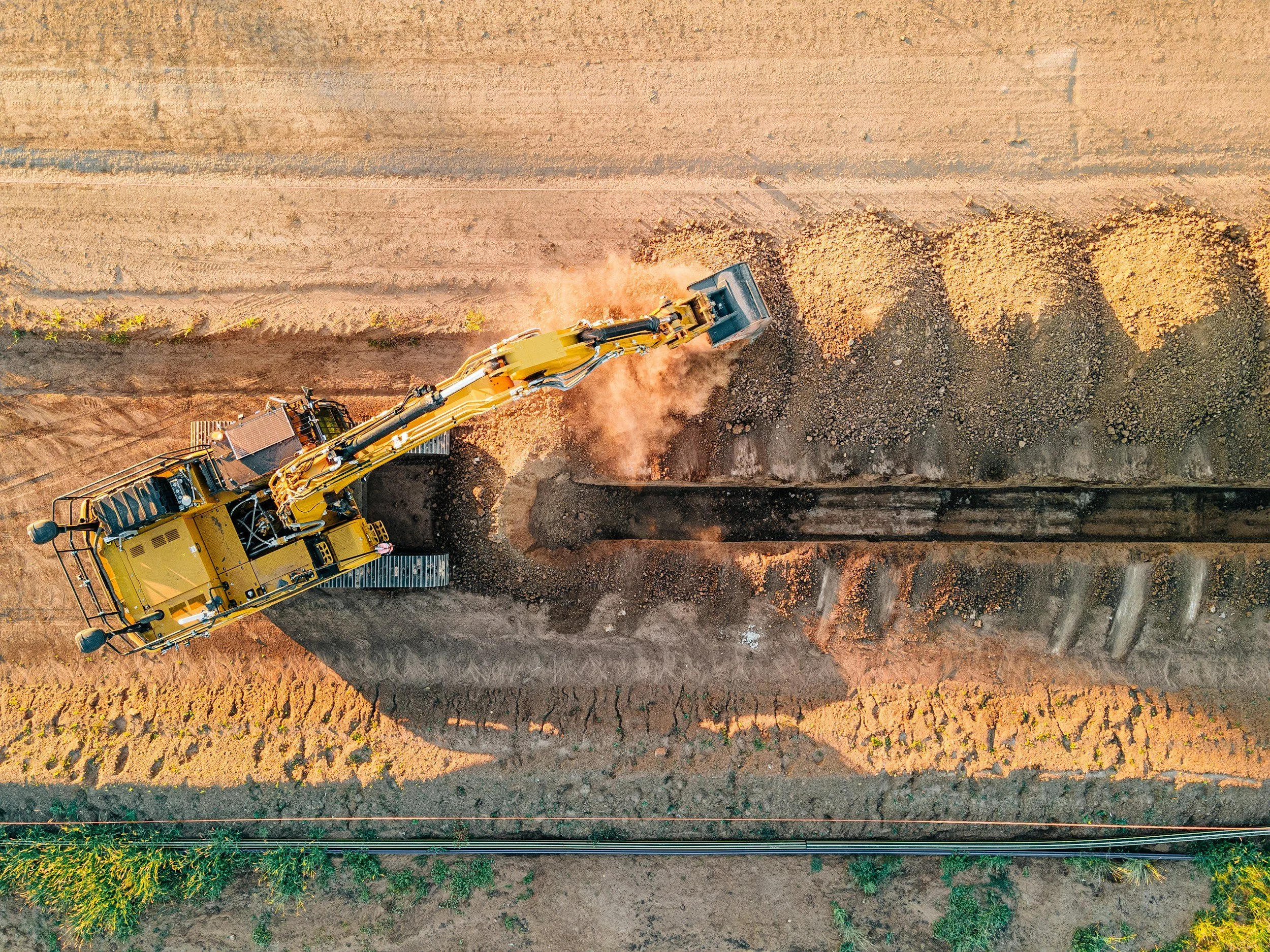
The construction and infrastructure sectors in Australia are rapidly adopting new technologies to improve efficiency, communication, and marketing. One of the most impactful innovations in recent years is aerial drone videography. Once considered a novelty, drones are now a practical tool that provides project managers, engineers, and stakeholders with unique perspectives that were previously costly or difficult to achieve.
By capturing cinematic aerial footage of worksites, progress, and completed projects, drone videography is transforming how construction companies plan, monitor, and promote their projects.
In this article, we explore the key benefits of aerial videography in construction and infrastructure, along with real examples of how it is reshaping industry practices.
Why construction projects need aerial perspectives
Large-scale developments and infrastructure projects are complex. Standard ground-based photography or video often fails to communicate the size, scope, and progress of works. Aerial videography provides a clear, elevated view that allows teams to:
Monitor project milestones
Track site logistics and access points
Identify potential challenges early
Communicate progress with stakeholders and clients
This ability to see the bigger picture helps construction companies work more efficiently while improving transparency with partners and investors.
Key benefits of aerial videography for construction and infrastructure
1. Progress tracking and reporting
Regular drone footage provides a visual record of construction milestones. This helps project managers compare progress against timelines and identify areas that may need attention. It also creates a clear visual history that can be shared with stakeholders.
2. Improved stakeholder communication
Investors, clients, and government agencies often want regular updates on large projects. Aerial footage makes it easy to showcase progress in a compelling and professional way. Instead of relying on technical reports alone, stakeholders can see tangible results.
3. Enhancing safety oversight
Aerial perspectives help teams identify safety risks such as restricted access points, site congestion, or equipment placement. By spotting potential issues early, construction managers can improve safety practices and compliance.
4. Marketing and public relations
Drone footage is also a powerful marketing tool. Construction companies and developers use aerial videography to showcase completed projects, attract investors, and highlight capabilities. This is especially effective when promoting large infrastructure projects or tendering for future work.
5. Cost-effective alternative to traditional aerial filming
In the past, construction companies relied on helicopters or cranes to capture aerial views. Drones provide equally professional results at a fraction of the cost, making aerial videography more accessible and practical.
Applications in the Australian construction industry
Residential developments: Documenting land subdivision, home construction, and estate progress.
Commercial projects: Showcasing large office buildings, retail complexes, and industrial sites.
Infrastructure works: Tracking progress on roads, bridges, rail projects, and renewable energy facilities.
Government projects: Providing visual updates for councils, agencies, and community stakeholders.
These applications highlight how drone videography supports both operational and promotional needs.
Why licensed operators are essential
Construction sites present unique challenges for drone filming, including airspace restrictions, safety regulations, and complex logistics. In Australia, only licensed drone operators are permitted to conduct commercial aerial work in compliance with the Civil Aviation Safety Authority (CASA).
At Lift Video Production, our licensed operators ensure that all footage is captured safely and legally while meeting the technical demands of construction projects. We work with project managers and developers to tailor aerial videography that aligns with reporting needs and marketing goals.
Case study insights
Across Australia, construction and infrastructure companies are already leveraging drone videography:
A civil engineering firm used aerial footage to provide regular progress updates on a highway expansion, improving communication with government agencies.
A property developer showcased the completion of a large retail complex through a cinematic aerial video that helped secure new tenants.
A renewable energy company documented the installation of wind turbines, using drone footage for both safety reviews and marketing campaigns.
These examples highlight how aerial videography can add value across multiple aspects of construction projects.
Conclusion
Aerial videography is transforming the construction and infrastructure sectors by providing clear, impactful visuals that improve project oversight, stakeholder communication, and marketing outcomes. It is a cost-effective tool that delivers both operational and promotional benefits.
If you want to enhance your construction projects with professional aerial content, working with licensed operators is the safest and most effective way to achieve results.
Discover how our aerial drone videography services can transform your construction and infrastructure projects. Contact Lift Video Production today to discuss your next project.
