
How Media Production Improves Internal Communication and Training
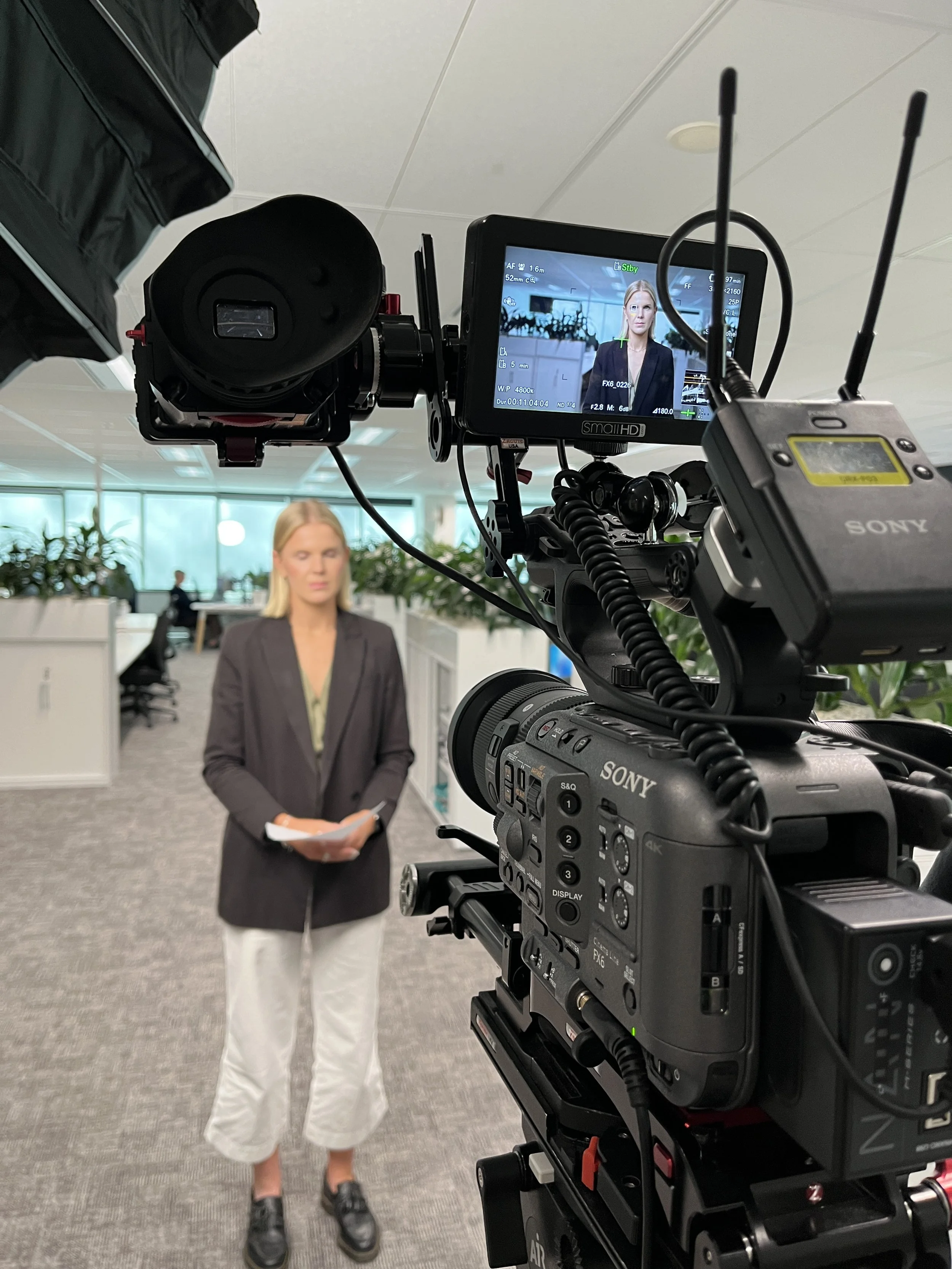
Clear communication and effective training are essential to the success of every organisation. Yet many businesses rely heavily on lengthy documents, email announcements, and slide decks that employees often overlook or forget. In a world where people are used to consuming information through video and digital media, traditional methods are no longer enough to keep staff engaged.
This is where professional media production makes a real difference. By using video, photography, and branded content, businesses can transform the way they communicate internally and deliver training that is both memorable and effective.
Why internal communication matters
Strong internal communication keeps employees informed, aligned, and motivated. Without it, organisations face challenges such as:
Staff confusion about goals, strategies, or processes
Low engagement with company updates
Inconsistent understanding of workplace policies
Reduced morale and productivity
Gallup research has shown that businesses with highly engaged employees enjoy greater profitability and productivity compared to those with poor internal communication. The way messages are delivered plays a major role in whether they are understood and acted upon.
The limitations of traditional training
Traditional training methods such as manuals, presentations, and in-person sessions are not always effective. Common issues include:
Low retention rates: Employees often forget information delivered in text-heavy formats.
Inconsistent delivery: Different trainers or managers may present material in varied ways, leading to mixed results.
Time constraints: Training sessions take staff away from their regular tasks, which can impact productivity.
Difficulty scaling: Delivering the same training across multiple locations or teams can be complex and costly.
How media production transforms communication and training
Professional media production addresses these challenges by creating engaging and consistent content that employees are more likely to watch, understand, and retain.
1. Engaging video communication
Videos are far more engaging than text or email announcements. They capture attention quickly, simplify complex messages, and add a human touch through visuals and tone of voice.
2. Consistent delivery
Once produced, training and communication videos can be shared with all staff, ensuring the message is consistent across the organisation. This reduces the risk of misunderstandings and ensures everyone is aligned.
3. Improved knowledge retention
Research shows that people remember information better when it is presented visually. Video-based training improves retention compared to text-heavy manuals.
4. Scalability
Media production allows businesses to create training content once and deliver it multiple times across locations, departments, or new employee groups. This saves time and reduces costs in the long run.
5. On-demand access
Employees can revisit training videos whenever they need, giving them greater flexibility and reinforcing learning.
Practical applications of media production in business
Media production enhances a wide range of internal communication and training needs, including:
Onboarding videos: Introduce new employees to company culture, policies, and expectations in an engaging and memorable way.
Compliance training: Deliver mandatory training in a clear and professional format that ensures consistency and reduces risk.
Leadership updates: Use video to share important company announcements from senior leaders, building trust and connection.
Process training: Replace long manuals with short instructional videos that employees can watch when they need guidance.
Recognition and culture: Celebrate achievements and milestones with media that highlight people and values.
Why professional production matters
Some organisations attempt to create training and communication videos in-house. While this can work for small updates, it often lacks the polish, consistency, and professionalism required to engage employees effectively.
Professional media production ensures:
High-quality visuals and sound that reflect the credibility of the organisation
Clear storytelling that makes complex information easier to understand
Branding that aligns with company identity
Reliable workflows that deliver content on time and within budget
Conclusion
Internal communication and training are too important to leave to ineffective methods. By investing in professional media production, businesses can improve engagement, ensure consistency, and create content that employees remember.
If your organisation is ready to communicate more effectively and deliver training that inspires, our media production services are here to help. We provide end-to-end solutions that make internal communication and training clear, professional, and engaging.
Contact us today to learn how we can support your communication and learning goals.
