
How to Keep Training Content Up to Date: When and Why to Refresh Your Safety Videos
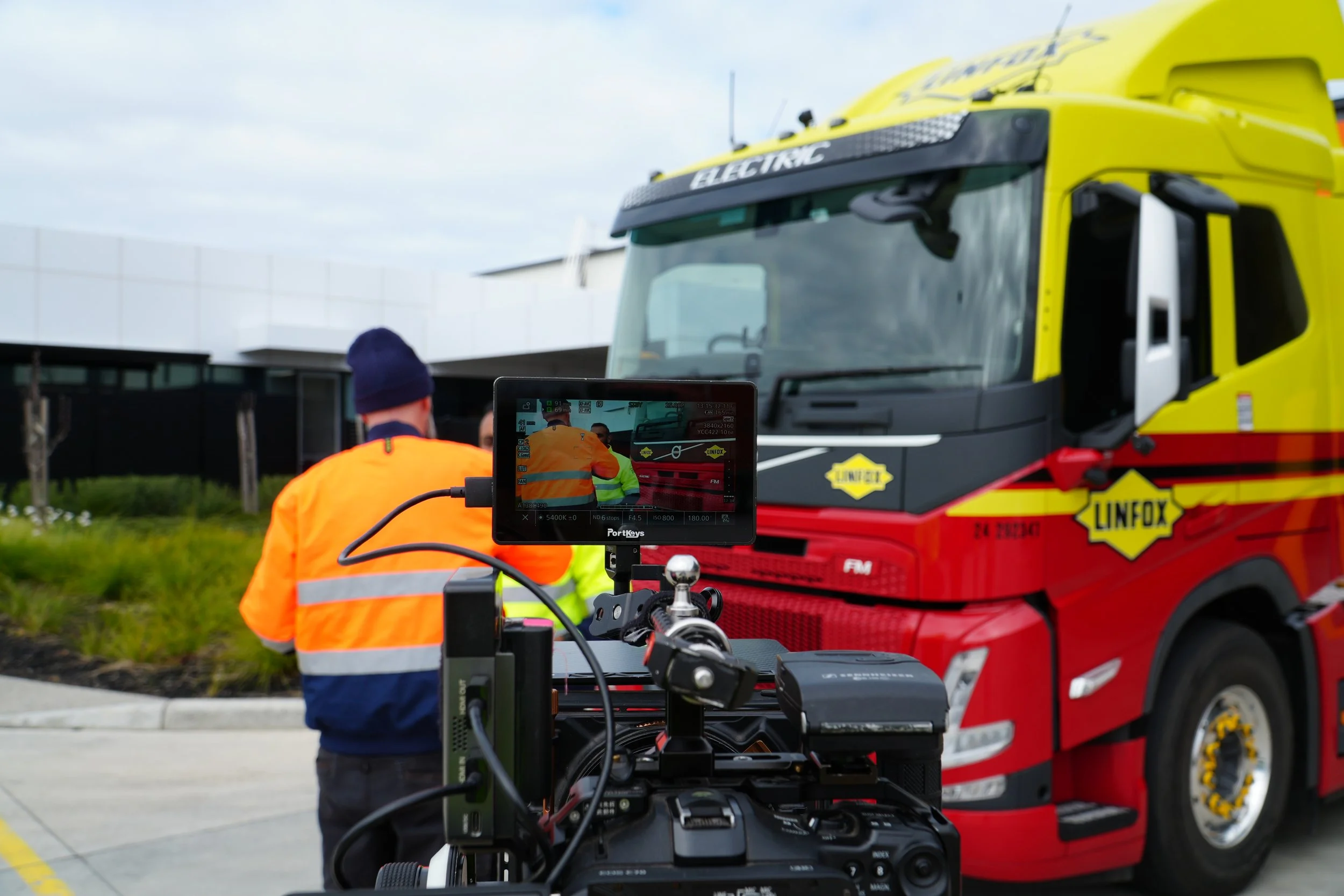
Outdated training videos create risk
Many organisations invest in training videos; however, very few regularly review or update them. As procedures evolve, equipment changes, or WHS regulations shift, outdated training content can become inaccurate or misleading. This creates risk not only for employee safety but also for compliance and operational efficiency.
Training videos should not remain static. Like any other WHS or operational document, they need periodic review to ensure they reflect current practice. This article explores how often training videos should be updated, the signs that your content is outdated, and the benefits of keeping your training system accurate and reliable.
Why does training content become outdated
Workplaces are dynamic environments. Even when procedures remain similar, small changes can accumulate over time and eventually make a training video inaccurate.
Common reasons include:
Process changes
Steps may be added, removed, or updated.Equipment upgrades
New tools or machinery make old videos irrelevant.Regulation updates
WHS requirements change regularly, particularly in construction and healthcare.PPE changes
Updated protective equipment needs to be shown correctly.Workplace layout changes
If the environment looks different, the video becomes confusing.Rebranding or organisational change
Logos, uniforms, and branding updates require refreshed content.
A training video that no longer matches real practice creates confusion and risk.
Signs your training video needs to be refreshed
Several indicators suggest that your training content is due for an update.
Staff are confused or asking repeated questions
This usually means the video is unclear or missing critical information.Supervisors are retraining staff manually
If supervisors are filling gaps, the video is no longer doing its job.The video no longer matches your actual process
Any mismatch between training content and workplace reality creates compliance issues.Incidents or near misses increase
Outdated instructions may be contributing to unsafe behaviour.New equipment or technology has been introduced
Even small changes can require updated visuals.Graphics or branding look dated
Old branding subtly undermines credibility and engagement.
How often should you update training and safety videos
There is no universal timetable; however, most organisations benefit from reviewing their training videos annually. The frequency of updates depends on your industry.
General guidelines include:
Construction every 6 to 12 months
Manufacturing every 12 months
Healthcare every 12 months
Logistics every 1 to 2 years
Corporate environments every 2 years
Videos must also be updated immediately following any procedural change.
How to review your current training videos
A structured review process ensures accuracy and compliance.
Step 1: Watch the video with a subject matter expert
Check each step against current practice.
Step 2: Compare the content with your WHS documentation
Ensure alignment between video and written procedures.
Step 3: Look for outdated visuals or equipment
Outdated scenes confuse new staff.
Step 4: Review graphics and narration
Ensure terminology is still correct and clear.
Step 5: Gather staff feedback
Frontline employees know when content is unclear or outdated.
Step 6: Record update requirements
List required changes to plan the refresh efficiently.
Benefits of updating your training videos
Refreshing training content provides significant value across safety, compliance, and performance.
Improved safety outcomes
Accurate videos help prevent incidents and reinforce correct behaviour.Stronger compliance
Updated content supports WHS obligations and demonstrates due diligence.Faster onboarding
Clear and current videos reduce confusion and training time.Higher engagement
Modern visuals and updated branding increase viewer attention.Reduced supervisor burden
Accurate videos minimise the need for constant retraining.Enhanced organisational professionalism
Updated training materials show staff and auditors that safety is taken seriously.
How to update training videos effectively
Updating a video does not always require a complete reshoot. A professional production company can revise or refresh your content in several ways, including:
Refilming sections of a process
Updating graphics and text overlays
Replacing outdated equipment visuals
Updating narration
Adding new safety steps
Rebranding or modernising the style
Reformatting for LMS or mobile delivery
This modular approach keeps costs down while maintaining accuracy.
Industries where regular updates are essential
Industries that experience frequent procedural changes benefit most from regular video updates.
These include:
Construction
Healthcare
Manufacturing
Mining
Food production
Logistics
In these sectors, outdated training content can quickly become a serious liability.
Conclusion: Updated training videos protect your people and your organisation
Training and safety videos are highly effective tools; however, they must remain accurate to maintain their value. Regular review and updates ensure that your training system remains clear, compliant, and aligned with real-world practice.
If your organisation needs to refresh its training content or update outdated videos, explore how updating your training videos can support accuracy and compliance.
