
Why Logistics Companies Are Switching to Video for Training and Safety
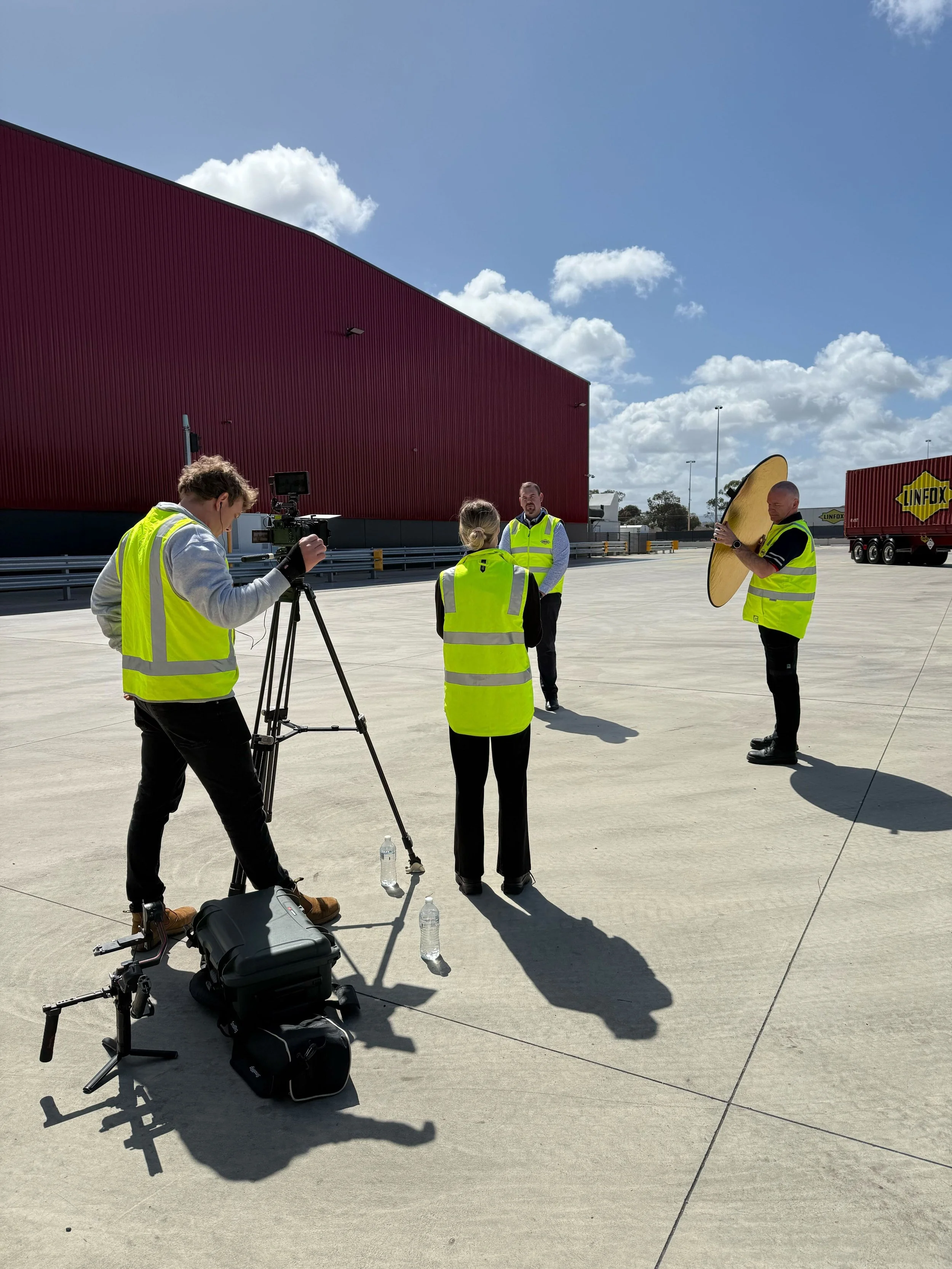
Logistics organisations are under pressure to improve efficiency, reduce training time, and maintain strong safety outcomes in environments that change daily. Many teams rely on lengthy documents, inconsistent verbal explanations, or outdated training manuals that are difficult for new staff to interpret. This leads to misunderstandings, errors, and a slower onboarding process.
More logistics companies are now turning to professional video for training and safety communication because video provides clarity, consistency, and speed. A well-produced logistics training video can explain a procedure in a fraction of the time a written document requires. It can also show exactly what correct behaviour looks like in a real operational setting.
This article explains why the shift toward video communication is growing across the sector and how logistics video production can create meaningful improvements for teams that want clarity, compliance, and operational momentum.
Why training is difficult in logistics
Training in logistics environments is more complex than in many other industries. Procedures are highly detailed, equipment varies across sites, and workflow sequences must be followed with precision. When training depends on different supervisors explaining tasks in their own words, the result is inconsistency and confusion. New staff may develop habits that are not aligned with the organisation’s expectations. Long-term staff may interpret changes differently depending on who communicates them.
Video eliminates this inconsistency. It provides one clear explanation that can be repeated across locations, shifts, and roles. Every staff member sees the same standard and the same correct method, which reduces variation and shortens learning curves.
Why safety communication needs clarity
Safety information must be understood instantly. In high movement environments such as warehouses, transport yards, and distribution centres, staff need to follow correct procedures without hesitation. Written safety documents can be helpful, but they often lack real situational context. A video demonstration can show real-life risks, correct PPE, correct posture, and correct equipment use, which creates a stronger connection for the viewer.
A safety video is also easier to remember than a document. Visual memory is stronger, and when staff watch a realistic scenario unfold, they develop a clearer understanding of what to do and what not to do.
Why logistics companies prefer video for capability communication
When potential clients assess a logistics provider, they want to understand infrastructure, scale, processes, technology, and reliability. A capability video presents these elements clearly and professionally. It allows decision makers to see the operation in action without needing to visit the site. This reduces friction in the sales process and positions the organisation as prepared, transparent, and confident.
A capability video can show racks, equipment, fleet, scanning systems, packaging lines, loading procedures, and the general culture of the workplace. It creates trust and makes the client feel informed, which improves the chance of conversion.
How video reduces training time
Video removes unnecessary repetition. Once a video is created, it can be used in onboarding, refresher training, and compliance checks for years. Supervisors no longer need to explain the same process repeatedly, which frees up their time for higher-value work.
A clear procedure video allows learners to pause, replay, and absorb the content at their own pace. This helps different learning styles and reduces pressure on new staff while still ensuring accuracy. Organisations typically report faster onboarding times once they adopt structured training video modules.
How video reduces errors
Errors in logistics often occur due to misunderstandings. Someone may interpret an instruction incorrectly or may not recall a step in the correct order. A video removes interpretation by showing the exact sequence that must be followed. Animated workflow explainers are even more effective when dealing with processes that involve multiple teams or complex flows of information.
With fewer misunderstandings, there are fewer disruptions, fewer delays, and fewer safety incidents.
Why video helps unify multi-site communication
Many logistics companies operate across multiple warehouses or transport hubs. Maintaining consistent communication across these sites is difficult when training relies on people or documents. Video ensures a single message is delivered every time, which results in stronger organisational alignment.
Teams on the night shift see the same training content as day shift teams. Casual staff, seasonal workers, and contractors all receive identical information. This reduces risk and builds a stronger operational culture.
When to use logistics video production
Logistics video production is most effective when used for:
• Site-specific training modules
• Safety updates and refresher content
• Animated workflow explanations
• Standard operating procedures
• New staff onboarding
• Equipment demonstrations
• Capability and marketing content
• Compliance and induction modules
These videos become long-term communication assets that can be used throughout the organisation.
Why professional production matters
Filming inside live warehouses and transport environments requires strong planning and WHS awareness. A professional logistics video production team understands how to capture procedures safely without interrupting operations. They know how to script content so explanations are concise and easy to understand. They also know how to visually communicate complex processes in a logical sequence.
The difference between a casually filmed video and a professionally produced operational video is significant. Professional production ensures clarity, accuracy, and engagement, which leads to better learning outcomes.
Conclusion
Logistics companies are adopting video communication because it improves safety, consistency, and operational efficiency. Training becomes faster, errors are reduced, and teams across multiple sites receive the same clear guidance. Capability videos also give clients confidence in your scale and professionalism, which improves your ability to win contracts.
If your organisation wants to improve clarity and streamline communication, you can explore professional logistics video production to create training and safety content that supports your entire operation.
