
Media Production vs DIY Content: What Delivers the Best Results
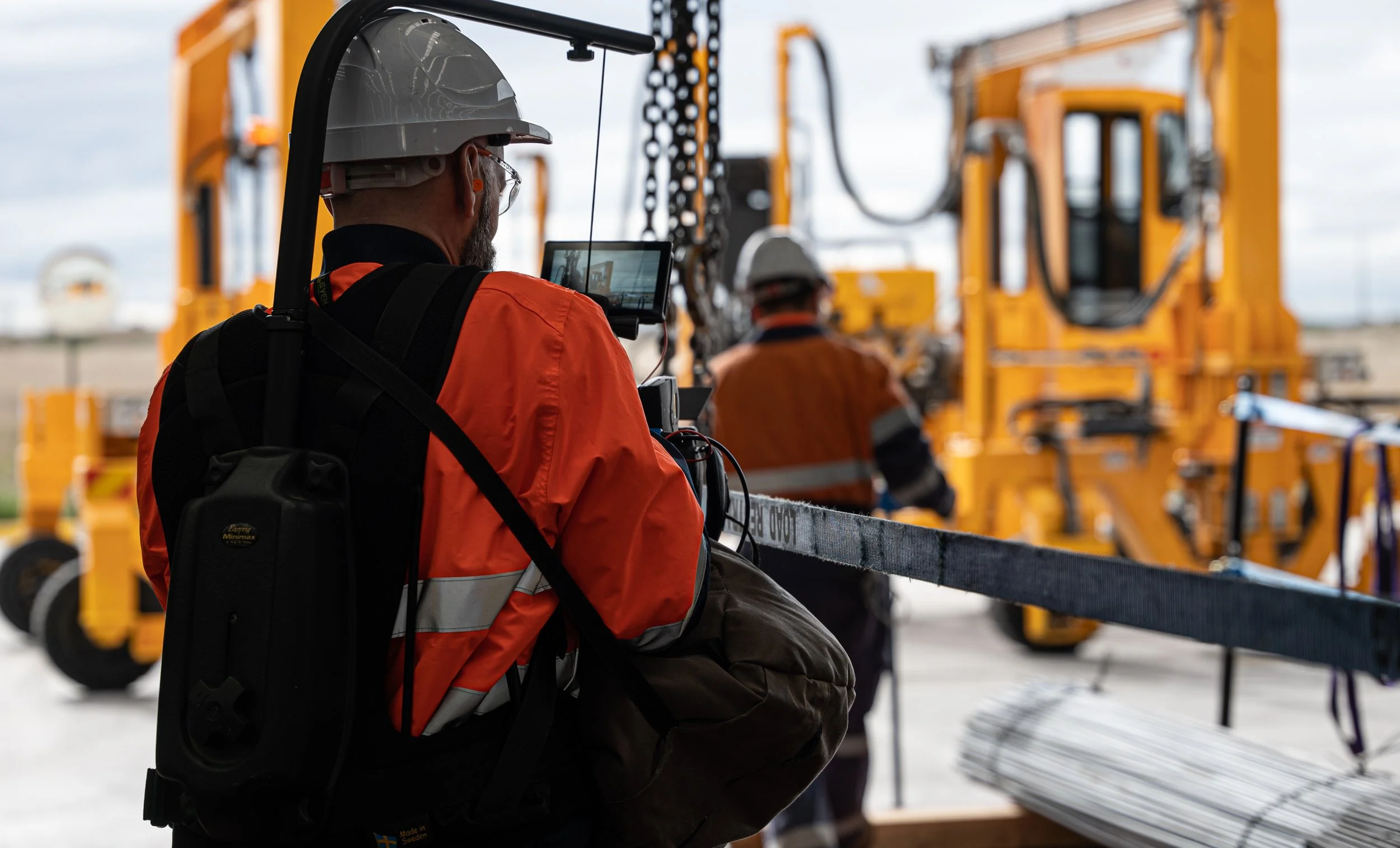
Almost every business today understands the importance of video and media. The question is no longer whether to create content, but how to create it. For many organisations the decision comes down to two options: producing content in-house using a do-it-yourself approach, or outsourcing to professional media production services.
While DIY may seem like a cost-effective solution, the results are often mixed and can even harm the credibility of a brand. In contrast, professional media production ensures consistency, creativity, and quality that deliver measurable results. This article explores the pros and cons of both approaches to help businesses make the right choice.
The appeal of DIY media content
With the rise of smartphones, affordable cameras, and editing software, creating content internally has become more accessible than ever. Some of the perceived benefits of DIY include:
Lower upfront costs: Equipment and software can be purchased once, reducing reliance on external providers.
Flexibility: Teams can create content quickly without waiting for external schedules.
Control: Businesses have complete oversight of the process and final output.
Experimentation: DIY allows teams to test new ideas without significant financial commitment.
For small projects or simple updates, DIY content may be sufficient. However, the limitations become clear when businesses aim to achieve consistent, high-quality results.
The limitations of DIY content
DIY media production often struggles to meet professional standards, particularly when content needs to reflect the credibility of a brand. Common challenges include:
Inconsistent quality: Output varies depending on who creates the content and what equipment is used.
Time-consuming: Teams without expertise often spend more time learning software and equipment than actually creating content.
Limited storytelling ability: Technical know-how is only part of the process. Crafting stories that engage audiences requires creative and strategic expertise.
Brand risk: Poor lighting, sound, or editing can make content look unprofessional, undermining trust in the brand.
Lack of scalability: DIY may work for occasional projects, but producing regular, high-quality content is rarely sustainable without professional support.
The advantages of professional media production
Professional media production addresses these challenges by delivering content that is polished, consistent, and strategically aligned with business goals. The key benefits include:
1. High production quality
Professional crews use advanced equipment and editing tools to ensure content looks and sounds exceptional. This quality reflects positively on the brand.
2. Strategic storytelling
Professional producers understand how to craft stories that resonate emotionally, making content more memorable and impactful.
3. Consistency
Working with the same production team ensures that every video or media asset aligns with brand identity, tone, and values.
4. Efficiency
Instead of spending hours learning and troubleshooting, businesses can rely on a partner who manages the entire process from concept to delivery.
5. Scalability
Professional media production makes it possible to create ongoing content that supports marketing, recruitment, training, and internal communication without overwhelming internal teams.
Comparing results: DIY vs professional production
The most important difference between DIY and professional production is the outcome. While DIY may save money upfront, professional media is more likely to deliver a return on investment through:
Higher audience engagement
Improved brand perception
Increased leads or applications
Better employee training outcomes
Stronger long-term credibility
Ultimately, professional media production pays for itself by achieving results that DIY simply cannot replicate.
When DIY may still make sense
There are situations where DIY content can be appropriate. For example:
Quick social media updates that do not need professional polish
Behind-the-scenes footage to show authenticity
Temporary solutions for businesses testing media before committing to a larger strategy
The key is knowing when to use DIY and when to invest in professional support. For brand-defining content such as recruitment campaigns, marketing videos, or corporate storytelling, professional production is always the better choice.
Conclusion
DIY media may seem appealing for businesses looking to save costs, but it often leads to inconsistent, unprofessional results that fail to engage audiences. Professional media production ensures high-quality content, creative storytelling, and scalable solutions that build trust and drive measurable outcomes.
If your organisation is ready to achieve results beyond DIY, our media production services provide the expertise and consistency you need. We deliver strategy, creativity, and flawless execution so you can focus on growth.
Contact us today to learn how we can become your trusted media production partner.
